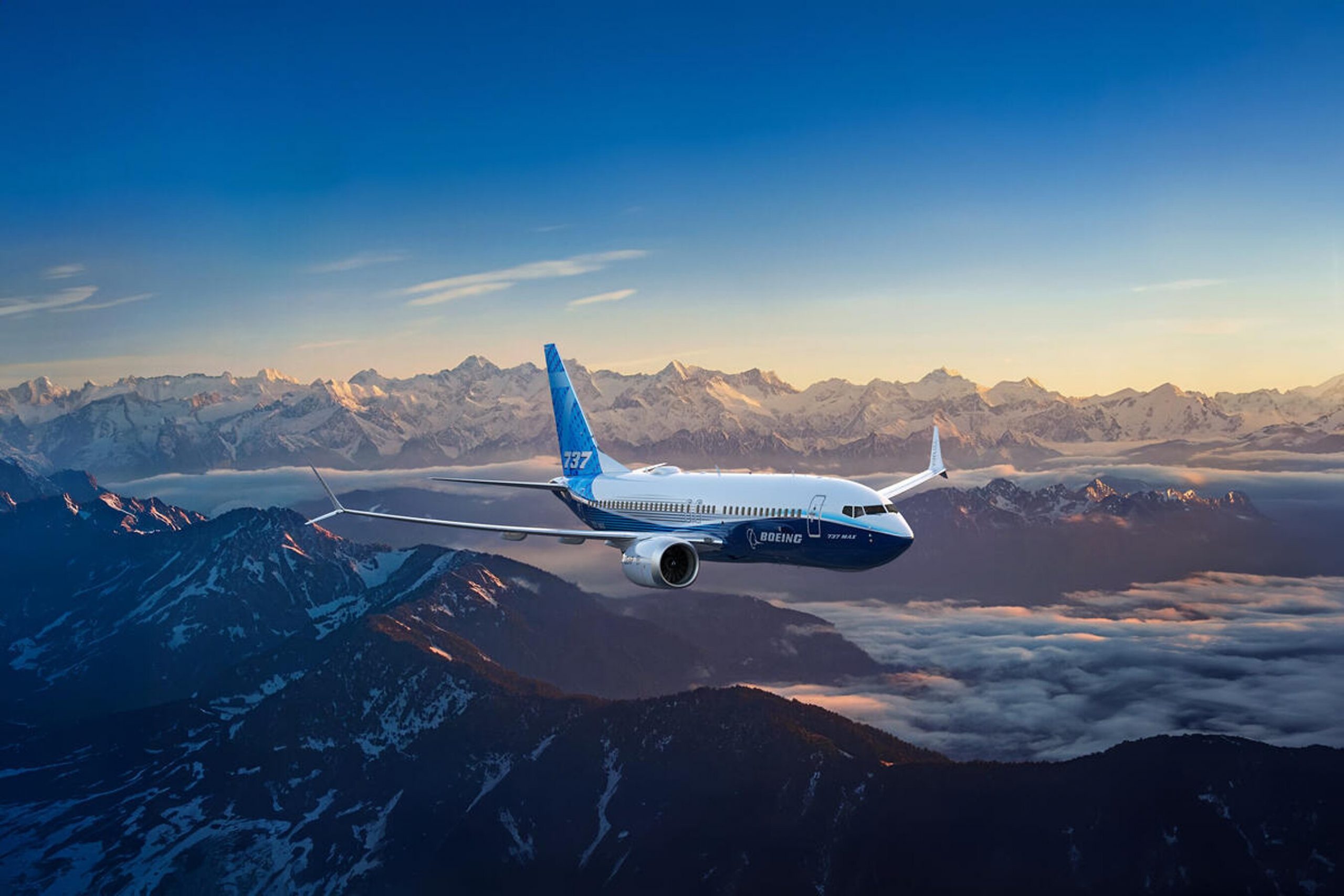
The U.S. Federal Aviation Administration (FAA) has awarded type certification to the Boeing 737-7, allowing the aircraft to enter commercial service after an extensive certification programme that lasted almost a decade. The approval follows years of additional testing, design changes and regulatory reviews introduced after the two fatal 737 MAX accidents and subsequent reforms to the certification process.
Boeing described the approval as a significant milestone for both the programme and its airline customers. Stephanie Pope, President and CEO of Boeing Commercial Airplanes, said the certification reflects “a renewed emphasis on human factors, safety and quality” and added that the company remains focused on delivering “a safe and more capable airplane” to operators.
The 737-7 is the smallest member of the 737 MAX family and can accommodate between 135 and 160 passengers while offering the longest range of any MAX variant. It is designed for airlines requiring additional flexibility on thinner routes without sacrificing operational efficiency, making it particularly attractive for domestic and regional networks.
Before granting approval, the FAA required Boeing to implement several key design updates, including enhancements to the flight-control software, flightcrew alerting system and engine anti-ice system. Regulators also confirmed that FAA inspectors will continue overseeing Boeing’s manufacturing processes as production ramps up.
Certification clears the way for deliveries to begin, with Southwest Airlines expected to become the launch operator of the new variant. Boeing also continues work on certifying the larger 737-10, which remains the final outstanding member of the MAX family awaiting FAA approval.
© Boeing 2026